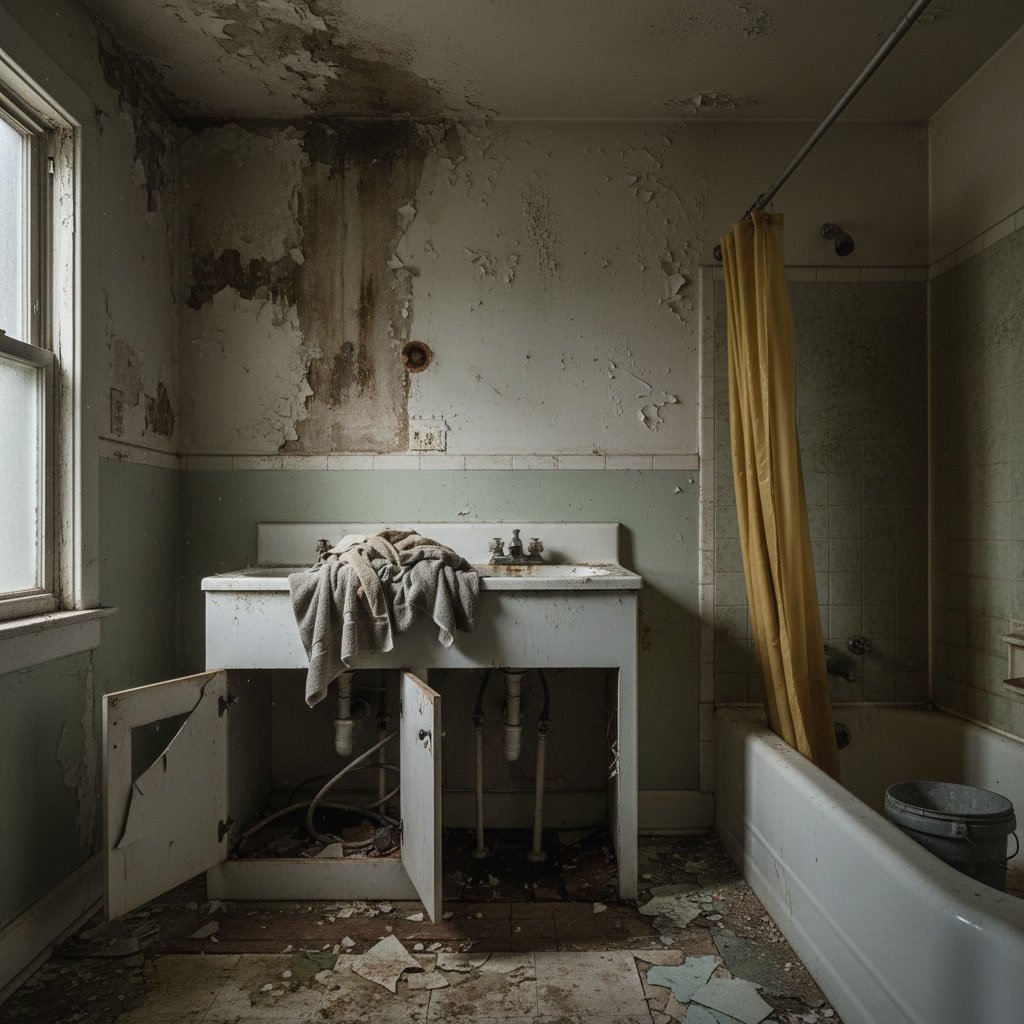
When your bathroom shows wear and tear, the temptation is to patch things up with quick fixes. But understanding the signs bathroom needs remodeling rather than simple repairs can save thousands of dollars and months of frustration. A full remodel makes sense when problems are structural, widespread, or tied to outdated systems that will continue to fail. Minor repairs work for isolated issues, but systemic problems demand a comprehensive solution.
Why Homeowners Delay Bathroom Renovations
Most people put off major bathroom work because they underestimate the severity of underlying problems. A leaky faucet seems minor until you discover rotted subfloor beneath the tile. Outdated fixtures appear purely cosmetic until you realize the plumbing behind them is original to a 1970s build and one freeze away from catastrophic failure.
Budget concerns also play a role. Homeowners assume repairs cost less than remodeling, which is true in the short term. But when you spend $800 fixing a shower pan leak, then $1,200 replacing water-damaged drywall six months later, then another $600 on new tile that doesn’t match, you’ve spent half the cost of a proper remodel while still living with a dysfunctional space.
When Water Damage Goes Beyond the Surface
Visible water stains on ceilings, walls, or floors indicate moisture has already traveled through multiple layers of material. By the time you see discoloration, the damage behind the surface is typically three to five times worse. Drywall and insulation compress when wet, losing their structural integrity even after drying.
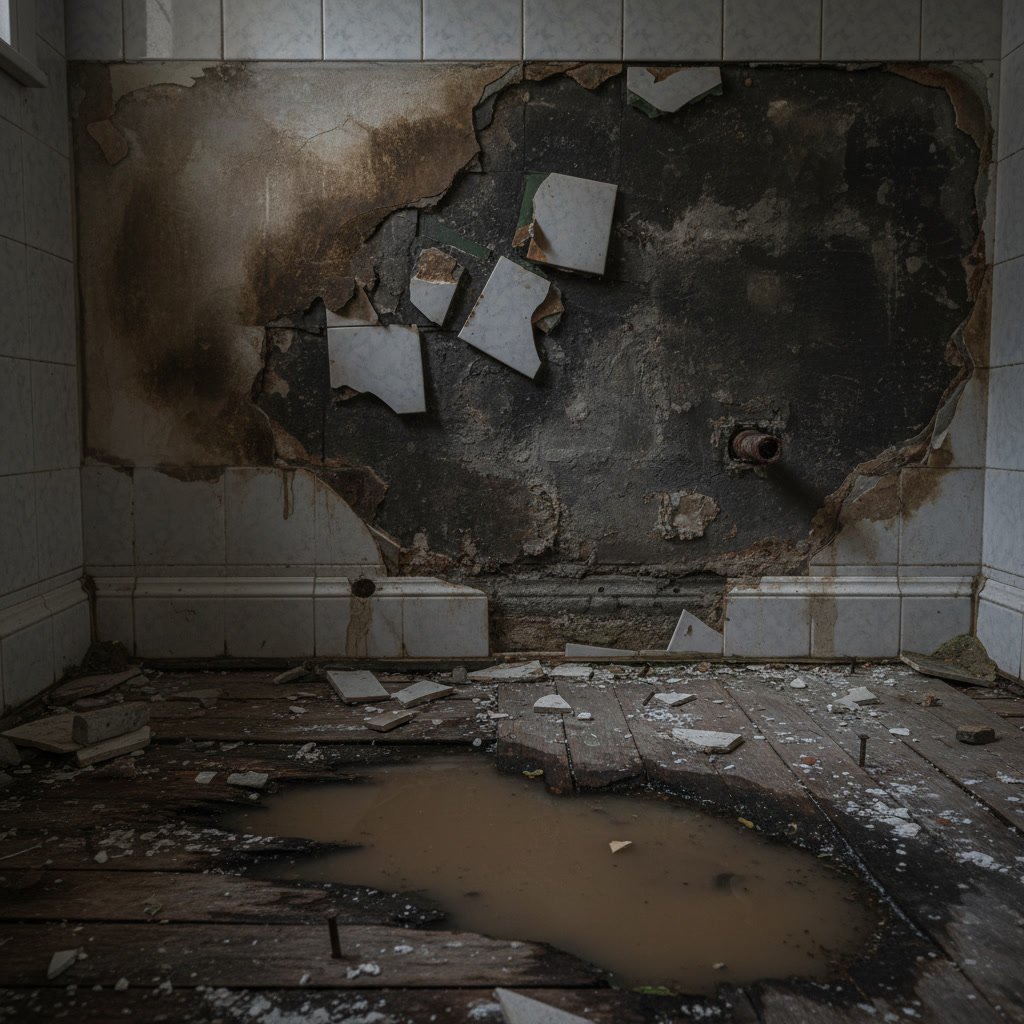
Soft spots in the floor near the toilet or tub mean the subfloor has begun to rot. Once wood subflooring deteriorates, patching one section rarely solves the problem because moisture has likely spread along joists and into adjacent areas. A bathroom remodeling project addresses the entire moisture envelope, including proper waterproofing membranes, updated ventilation, and materials designed to resist long-term humidity exposure.
Mold Growth Indicates Systemic Moisture Problems
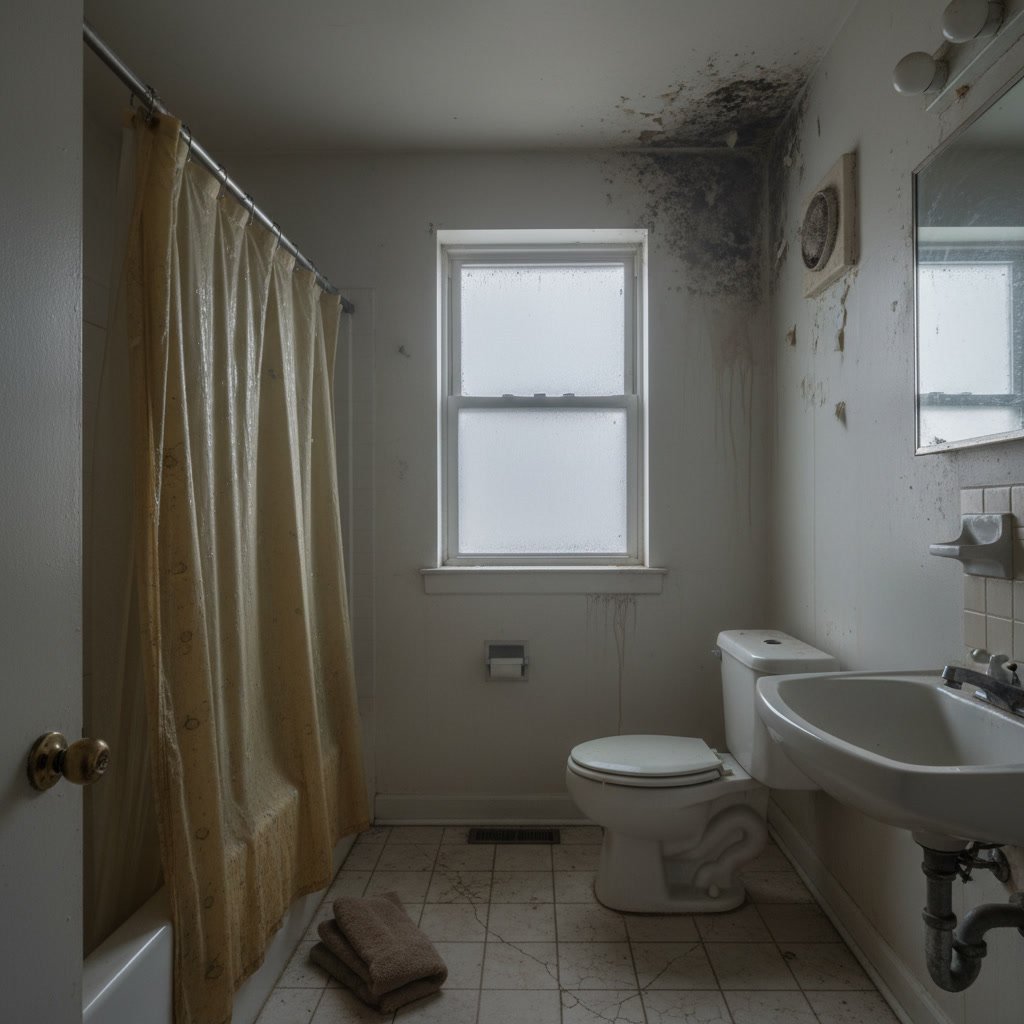
Surface mold on grout or caulk wipes away with cleaner. Mold that returns within days, appears black or green, or shows up on ceilings and corners points to a ventilation or moisture barrier failure. Bathrooms built before modern building codes often lack adequate exhaust fans or have fans vented into attics rather than outside.
When mold appears behind fixtures, inside walls, or under flooring, the space needs complete remediation. Killing visible mold without fixing the moisture source guarantees it returns. Proper bathroom remodels install vapor barriers, improve airflow, and use mold-resistant materials like cement board and epoxy grout.
Outdated Plumbing and Fixtures That Keep Failing
Galvanized steel pipes installed before the 1970s corrode from the inside, reducing water pressure and increasing leak risk. If your home still has original plumbing and you’re replacing washers, cartridges, or valves every year, the fixtures aren’t the problem. The supply lines and drain systems feeding them are worn out.
Replacing one fixture at a time on failing pipes wastes money. A complete remodel allows you to repipe with PEX or copper, upgrade shut-off valves, and install modern fixtures designed for water efficiency. Homes in Aurora with plumbing from the 1980s or earlier often benefit from whole-system upgrades during bathroom renovations.
Poor Layout and Functionality Issues in Aurora Homes
Some bathrooms were designed with configurations that no longer meet how families live. A single sink when two people share the space every morning creates bottlenecks. A tub that nobody uses takes up square footage better allocated to a larger shower or additional storage.
Layout problems don’t improve with cosmetic updates. If you’re constantly bumping into the vanity when you open the door, or the toilet sits too close to the tub for comfortable use, those are design flaws. Remodeling lets you reconfigure the space, relocate plumbing, and create a functional floor plan. Sometimes moving a wall by 18 inches transforms an awkward bathroom into one that works perfectly for daily routines.
Multiple Cosmetic Issues Stacking Up
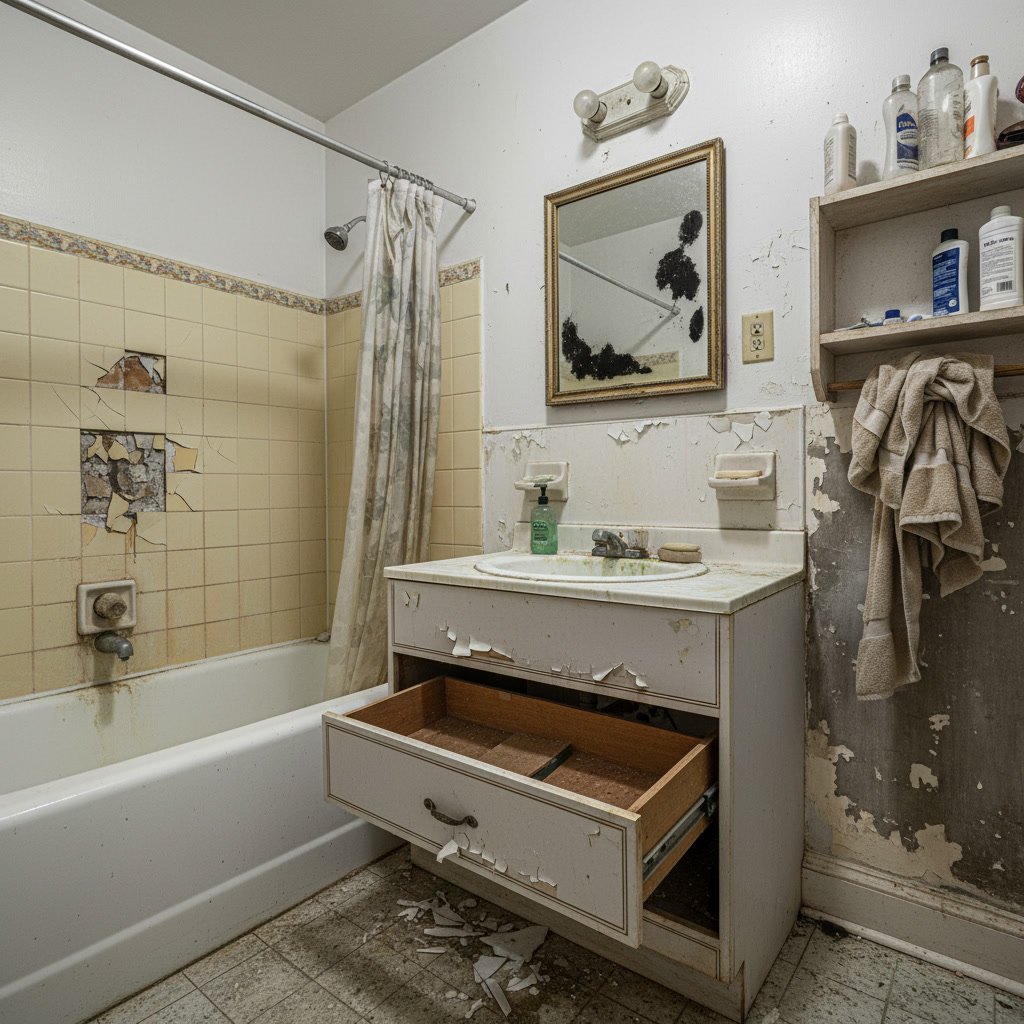
When you notice cracked tile, chipped tub enamel, peeling paint, outdated lighting, and worn flooring, addressing each item separately costs more than tackling everything at once. Contractors charge premium rates for small jobs because setup, permits, and cleanup take nearly as long as the work itself.
A bathroom showing five or more visible signs of age likely has unseen problems too. Old caulk and grout allow water infiltration. Outdated wiring may not support modern lighting or heated floors. Original ventilation systems struggle to manage moisture. Comprehensive remodeling uncovers and fixes hidden issues before they escalate into emergencies.
Comparing Repair Costs to Remodel Investment
To decide between repairs and remodeling, list every issue in your bathroom and get estimates for fixing each one individually. Then compare that total to a full remodel quote. If repairs exceed 60% of remodeling costs, the remodel delivers better value because you also gain updated design, improved function, and a warranty on all new work.
Consider longevity too. Repairs extend the life of existing materials by a few years at best. A quality remodel using durable materials like porcelain tile, quartz counters, and solid custom cabinetry lasts 15 to 20 years with minimal maintenance. The return on investment includes daily comfort, reduced utility bills from efficient fixtures, and increased home value.
Homeowners often discover this reality after sinking money into piecemeal fixes. The same pattern appears in kitchens, which is why recognizing similar warning signs in other rooms helps you make smarter decisions across your entire home.
Safety Hazards That Require Immediate Attention
Electrical outlets near water sources without GFCI protection create shock hazards. Bathrooms built before 1980 rarely have adequate electrical safety features. Flickering lights, outlets that don’t hold plugs firmly, or any scorching around switches indicate wiring problems that need professional evaluation.
Structural issues like sagging ceilings, sloping floors, or cracks in walls suggest foundation settling or joist damage. These problems worsen over time and pose collapse risks if moisture has compromised framing. Any safety concern justifies moving beyond repairs to a complete renovation that brings the space up to current building codes.
Energy Efficiency and Ventilation Deficiencies
Old bathrooms waste energy through single-pane windows, inadequate insulation, and inefficient lighting. Exhaust fans rated below 50 CFM struggle to remove moisture from standard-sized bathrooms, leading to mold growth and paint deterioration. Modern building science provides solutions that weren’t available when many homes were constructed.
Upgrading to LED lighting, low-flow toilets, and Energy Star-rated exhaust fans cuts utility costs immediately. Proper insulation and air sealing prevent heat loss in winter and reduce cooling loads in summer. These improvements only make financial sense when bundled into a larger project, not as standalone repairs.
How Age and Obsolescence Factor In
Bathrooms more than 20 years old typically contain materials and systems nearing the end of their design life. Fiberglass tub surrounds yellow and crack. Cultured marble vanity tops stain and chip. Vinyl flooring curls at seams and traps moisture underneath. Even if these components still function, they’re living on borrowed time.
Obsolescence also matters. Fixtures discontinued years ago become impossible to repair when parts are no longer manufactured. Tile colors and patterns from past decades can’t be matched for repairs, leaving you with visible patches. At some point, continuing to maintain outdated materials costs more than replacing them with current products backed by manufacturer warranties.
Making the Right Choice for Your Home
Deciding between repairs and remodeling comes down to honest assessment of current conditions, future needs, and budget realities. If your bathroom has one or two isolated problems, targeted repairs make sense. But when you’re dealing with multiple issues, structural concerns, or systems approaching failure, a complete remodel becomes the logical path forward.
The best approach involves professional evaluation. Experienced contractors identify problems homeowners miss and explain how issues connect. What looks like three separate problems often stems from one underlying cause that proper remodeling addresses permanently. Remodel Pros LLC has worked on bathrooms across the Denver metro area long enough to recognize when repairs will hold and when they’re just delaying inevitable larger work.
Whether you’re dealing with water damage, outdated plumbing, poor layout, or simply a space that no longer meets your needs, the right solution depends on your specific situation. A whole home remodeling project sometimes makes more sense than addressing one bathroom in isolation, especially in older homes with similar issues throughout.
If you’re seeing multiple warning signs in your bathroom and wondering whether to keep patching problems or invest in a complete renovation, Remodel Pros LLC can provide a thorough assessment and clear options. Call 7207891999 to schedule a consultation and get expert guidance on the best solution for your home and budget.